
That stack of VHS tapes in the closet usually stays untouched until something changes – a parent moves, a VCR stops working, or someone asks about the old family videos from birthdays, holidays, and school plays. At that point, VHS to digital cost becomes a practical question, but it is also an emotional one. You are not just pricing a transfer. You are deciding how much care, quality, and peace of mind those memories deserve.
What affects VHS to digital cost?
There is no single flat rate that fits every tape. The final price often depends on tape length, tape condition, the number of tapes in the order, and how you want the digital files delivered.
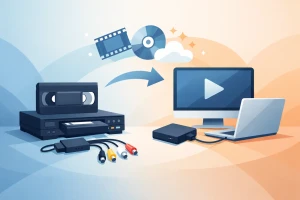
A standard VHS transfer is usually priced per tape or by running time. Shorter tapes may cost less, while longer tapes or extended-play recordings can cost more because they take more time to capture in real time. Unlike scanning a document, videotape transfer is a hands-on process. A two-hour tape takes about two hours to play, monitor, and convert properly.
Condition matters too. If a tape has mold, physical damage, playback issues, or a broken shell, the transfer may require cleaning, repair, or restoration work before conversion can even begin. That extra labor affects price, but it can also be the difference between saving the footage and losing it.
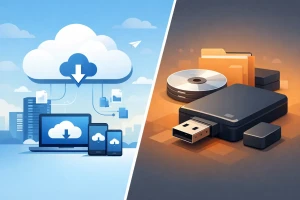
The delivery format also changes cost. Some customers want digital files on a USB drive. Others prefer DVDs, external hard drives, or downloadable files. A simple file transfer may be more affordable than a package with multiple copies and custom organization.
Typical VHS to digital cost ranges
In most cases, VHS to digital cost falls into a reasonable per-tape range for standard home video conversion. For basic transfers, many providers charge somewhere around $15 to $35 per tape, though pricing can go higher for long tapes, damaged tapes, or specialty requests.
That range reflects more than just pressing a button. A professional transfer service is accounting for playback equipment, capture hardware, technician time, file handling, and quality control. If the tape is in good shape and the request is straightforward, the lower end of the range may apply. If the tape is fragile or the order includes custom editing, chaptering, or recovery work, the cost will rise.
If you see pricing that looks unusually cheap, it is worth asking what is included. Some low advertised rates cover only the bare transfer and add separate charges for USB drives, file naming, duplicate copies, or even longer recording times. A price that seems higher at first may actually include more and save frustration later.
Why one tape can cost more than another
Two VHS tapes can look identical on a shelf and still take very different amounts of work to digitize.
One tape may be a clean, well-stored recording that plays smoothly from start to finish. Another may have tracking issues, audio distortion, creases in the tape, or signs of age from years spent in heat and humidity. Florida families know this problem especially well. Garages, attics, and storage units are not kind to magnetic media.
There is also the question of content length. Some tapes hold 30 minutes. Others were recorded in slower modes and can hold several hours. Longer capture times mean more technician attention, larger digital files, and more storage space.
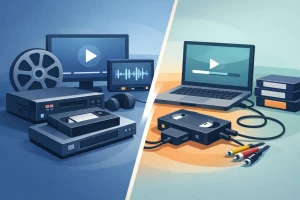
Then there are format differences. Standard VHS is common, but VHS-C camcorder tapes and other tape types may require adapters or different handling. If a service provider works with a wide range of legacy media, they are usually better prepared for these situations, but the cost may reflect that expertise.
What should be included in the price?
When comparing providers, the smartest question is not just, “How much does VHS to digital cost?” It is, “What do I receive for that price?”
A trustworthy transfer service should clearly explain whether the price includes inspection, real-time transfer, basic quality monitoring, digital file creation, and return of your original tapes. It should also explain any optional charges before the work begins, not after.
You may want to ask whether the service includes USB delivery, digital downloads, DVDs, or cloud-ready files. Some people only need one viewing copy. Others want a format that is easy to share with children and grandchildren. That choice affects value as much as cost.
Turnaround time can matter too. Rush services often cost more. If the videos are needed for a memorial, anniversary, or family event, that higher price may be worthwhile. If timing is flexible, standard service may be the better fit.
Cheap vs. professional transfer services
This is where trade-offs matter.
A bargain service may be fine for a tape that is unimportant, easy to replace, or purely casual. But most VHS tapes are the opposite. They hold moments that cannot be recreated. Once a tape is damaged in playback or lost in transit, the real cost is no longer financial.
Professional transfer services tend to cost more because they build in care. That usually means tested equipment, better tape handling, more consistent file output, and people who recognize trouble signs before a tape is ruined. It also means a clearer process if something needs repair or if a tape has hidden issues.
That does not mean the most expensive option is always the best. It means the lowest price should never be the only reason you choose a provider. For family archives, trust has value.
Is doing it yourself cheaper?
Sometimes, yes. Often, not by as much as people expect.
If you already own a working VCR, a capture device, the right cables, and a computer that can handle large video files, a DIY transfer may reduce out-of-pocket cost. But many households no longer have a reliable VCR, and used machines can be unpredictable. Some eat tapes. Some create unstable playback. Some fail halfway through a project.
DIY also costs time. Every tape has to be played in real time, monitored, captured, saved, and organized. If there are ten tapes, that is a major time commitment. If there are fifty, it can become a project that drags on for months.
Then there is the learning curve. File formats, audio sync problems, dropped frames, and tracking adjustments can be frustrating if you are only trying to rescue family memories, not become a video technician. For many families, paying for a professional transfer is less about convenience and more about reducing risk.
How to judge value, not just price
The best value comes from a service that treats your tapes carefully, communicates clearly, and gives you files you can actually use.
Look for experience, especially with older or damaged media. Look for a provider that handles more than one format, because that usually means they understand preservation rather than just basic duplication. It also helps to choose a company that offers a clear quote process and explains what happens from drop-off or mail-in through final delivery.
For local customers in South Florida, there is an extra advantage in working with an established storefront service when possible. Being able to speak with real people, ask questions, and hand over materials directly can make the process feel much safer. That peace of mind matters when the tapes contain weddings, baby videos, interviews, or the last recordings of loved ones.
HB Media Solutions has built its reputation around exactly that kind of trust – careful handling, clear communication, and professional transfer work centered on preserving personal history.
Questions worth asking before you order
Before you commit, ask how pricing works for long tapes, damaged tapes, and extra copies. Ask what digital formats are available and whether the originals are returned. Ask how tapes are labeled and organized after transfer.
It is also reasonable to ask how the company handles problem tapes. Not every tape is recoverable, but an experienced provider should be honest about the risks and realistic about the options. That kind of conversation is a good sign. It shows they care more about the result than making a quick sale.
When paying more makes sense
If a tape is your only copy, paying for better handling is usually worth it. If the tape shows signs of age or damage, professional care is worth even more. And if you want files that are easy to store, back up, and share with family, a higher-quality service can save time and disappointment later.
A good transfer is not only about watching the footage once. It is about making sure those memories are easier to revisit next year, five years from now, and long after the original tape can no longer be played.
The real answer to VHS to digital cost is that it depends on the tape, the service, and the level of care you want. For most families, the better question is simple: what is it worth to keep those memories alive while there is still time?