
That box in the closet is probably more fragile than it looks. VHS tapes, camcorder cassettes, film reels, and burned DVDs can sit untouched for years, then suddenly refuse to play when your family is finally ready to watch them. The best ways preserve home videos start with one simple truth: waiting usually makes the job harder, more expensive, and sometimes impossible.
For most families, home videos are not just recordings. They are birthdays with voices you have not heard in years, holiday mornings, first steps, school plays, and everyday moments that became priceless without anyone realizing it at the time. Preserving them well means thinking beyond one quick copy. It means protecting the footage itself, improving access, and reducing the risk of loss.
The best ways preserve home videos begin with digitizing
If your memories still live on VHS, Hi8, MiniDV, Video8, camcorder tapes, or film reels, digitizing them is the first and most effective step. Analog media degrades over time even when it is stored carefully. Tape can stretch, stick, mold, or lose signal. Film can fade, warp, or become brittle. DVDs are not immune either. They can scratch, delaminate, or simply stop reading.
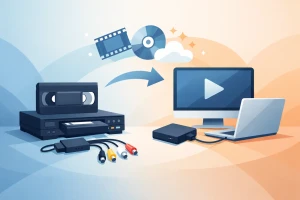
Digitizing converts those recordings into modern files that can be viewed, copied, organized, and backed up. That matters because preservation is not just about keeping the original item on a shelf. It is about making sure the content survives if the original format fails.
This is also where quality matters. A poor transfer done with outdated equipment or an unstable playback deck can create dropped frames, tracking problems, muffled audio, or incomplete captures. In some cases, fragile tapes need cleaning, repair, or careful handling before transfer. That is why many families choose a professional service instead of trying to play aging media on machines that may damage it further.
Do not rely on one copy
One of the most common mistakes people make is assuming that once a tape has been transferred to a USB drive or computer, the job is done. Digital files are far safer than old tapes, but they are not indestructible. Hard drives fail. Flash drives get lost. Laptops crash. Phones are replaced.
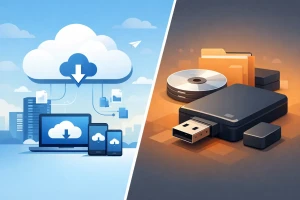
A better approach is to keep at least three copies of your digitized videos. One should live on your main computer or external hard drive for easy access. A second should be stored on another physical device kept in a different room or home. A third should be in a secure cloud account, which protects your memories if there is fire, flooding, theft, or hardware failure.
This layered approach gives families real peace of mind. If one copy disappears, your videos do not disappear with it.
Store original tapes and films the right way
Even after digitization, do not throw away the originals unless you are certain you no longer need them. In some cases, originals can still be valuable as a backup source, especially if better transfer technology becomes available later or if you want to verify dates, labels, or recording order.
Proper storage makes a difference. Keep tapes, reels, discs, and photos in a cool, dry, stable environment. Avoid garages, attics, sheds, and storage units that experience heat and humidity swings. In Florida, this matters even more because moisture and high temperatures can accelerate damage.
Store media upright when appropriate, in protective cases, away from direct sunlight and dust. Do not stack tapes loosely in cardboard boxes where they can warp or crack. And if you notice mold, a sticky tape, or a broken cassette shell, do not test it in a player. That can make a recoverable problem much worse.
Organize files while the details are still fresh
The best ways preserve home videos are not only about storage. They are also about making sure your family can find and understand what they have years from now. A folder full of files named MOV0001, MOV0002, and Untitled Clip is technically preserved, but practically lost.
Once videos are digitized, rename the files in a way that makes sense. Include approximate dates, family names, events, and locations when known. Something like 1994_Christmas_Miami_GrandmasHouse is far more useful than Tape3_Final. If the exact year is unclear, use an estimated date and make a note.
It also helps to create a simple document that explains what is in the collection. You do not need a museum catalog. A few lines about who appears in the footage, what format it came from, and any special notes can save your family hours of confusion later. This step is often overlooked, but it turns a pile of files into a meaningful archive.
Choose file formats that are practical and widely supported
Not every digital format is equally useful for long-term access. Some highly compressed files save space but may reduce quality. Some obscure formats can become difficult to open over time. For most families, the goal is a balance between good quality and easy playback.
A widely compatible format such as MP4 works well for everyday viewing and sharing. In some cases, it also makes sense to keep a higher-quality master file, especially for important family archives or rare footage. That gives you a cleaner preservation copy while still providing an easy version to watch on TVs, tablets, and phones.
This is another area where it depends on your goals. If you simply want to watch old home movies with relatives, accessibility may matter most. If you are preserving historical family footage or one-of-a-kind recordings, keeping a master file with less compression can be the better choice.
Do not ignore audio, photos, and labels
Home video preservation is rarely just about moving images. The camcorder tape may have a handwritten note on the case that identifies the date. The VHS recording may include voices that matter as much as the picture. A family archive often includes photos, slides, negatives, cassette recordings, and DVDs that tell the full story.
When families preserve only one format and ignore the rest, they end up with gaps. The graduation tape is saved, but the photo album is fading. The wedding video survives, but the toast on cassette is still trapped on an old tape. Thinking in terms of a full memory collection usually leads to better long-term results.
This is why many people eventually decide to preserve related items together. It is easier to organize, easier to share, and more complete for future generations.
Best ways preserve home videos without damaging originals
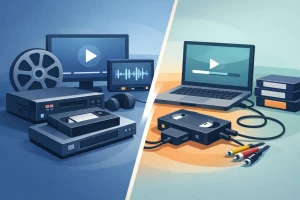
Trying to do everything yourself can seem cheaper at first, but older media often has hidden risks. Playback equipment for VHS, 8mm, MiniDV, and film is harder to find than it used to be, and used machines are often unreliable. Some can eat tape, produce distorted output, or fail halfway through transfer.
There is also the issue of time. A two-hour tape transfers in real time, and that is before any troubleshooting, file management, or backup setup. If you have a closet full of media, what sounds like a weekend project can easily turn into a months-long chore that never gets finished.
A professional transfer service makes the most sense when tapes are old, rare, damaged, or emotionally irreplaceable. It also helps when you have multiple formats, want consistent quality, or simply want the confidence that the process is being handled carefully from start to finish. For families in South Florida, working with a local, experienced preservation company can add another level of comfort because you know where your originals are going and who is handling them.
Make preservation part of family access
A preserved video that nobody watches is still at risk of being forgotten. Once your collection is digitized and backed up, make it usable. Share copies with siblings. Load favorite clips onto a smart TV. Create folders for holidays, childhood, anniversaries, or relatives. Give grandparents and adult children access to the same memories.
This matters more than people expect. When videos become easy to watch, families are more likely to notice missing labels, identify unknown faces, and tell the stories behind the footage while those details can still be captured. Preservation is strongest when it keeps memories alive, not just stored.
At HB Media Solutions, that is the heart of the work – treating every tape, reel, and disc like it belongs to a family that cannot replace what is on it.
If you have boxes of home videos waiting for the right time, this is a good time. The footage does not become safer by sitting longer, but it can become much easier to protect once it is digitized, organized, and backed up with care.