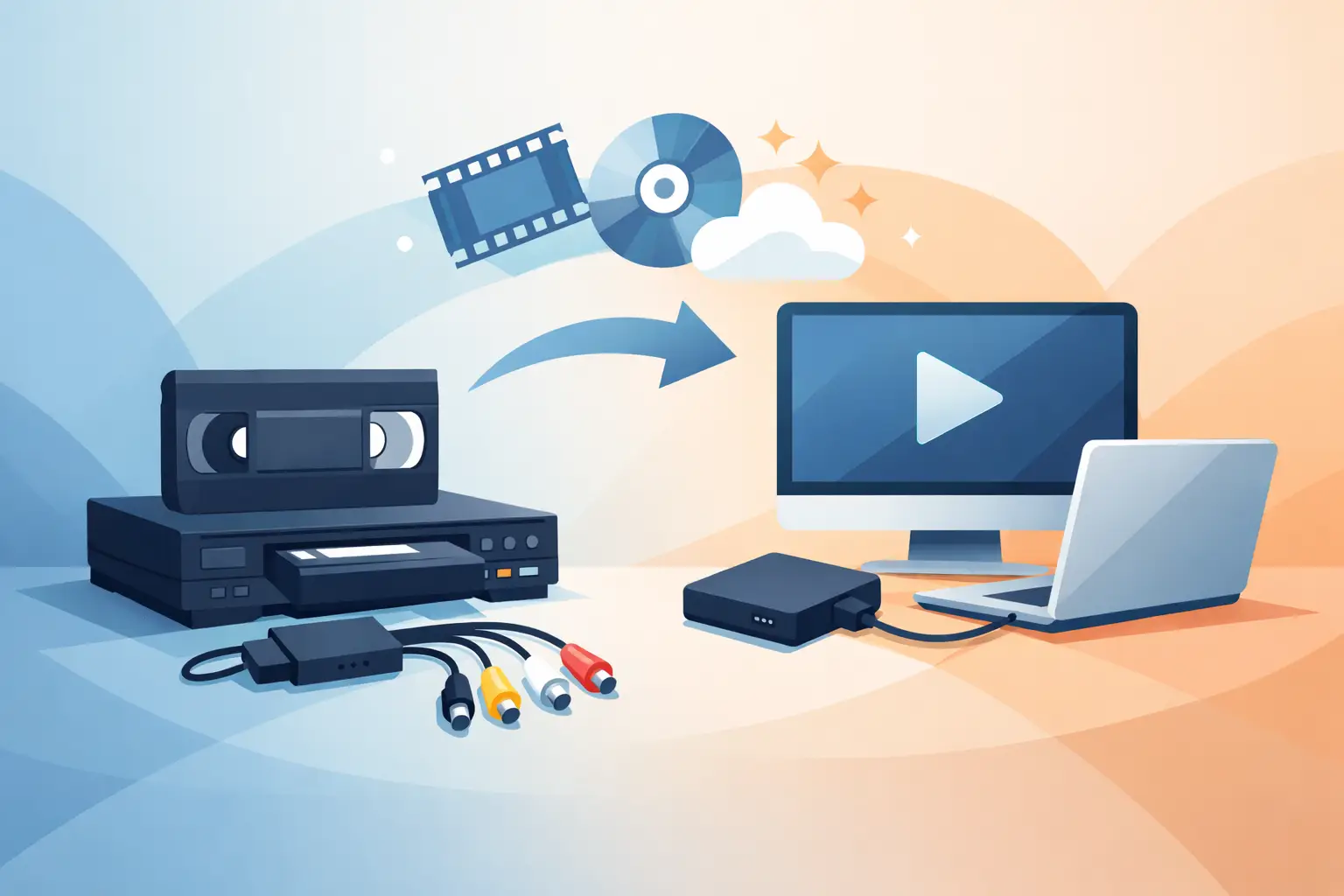
A box of VHS tapes usually sits untouched until someone finds a wedding, a first birthday, or a holiday gathering they have not seen in 20 years. That is exactly why a vhs conversion kits review matters. These kits promise a simple way to move old footage onto a computer, but the real question is whether they can do it well enough for memories that cannot be replaced.
For some households, a conversion kit is a reasonable starting point. For others, it becomes a frustrating project that eats up weekends and still delivers shaky audio, dropped video, or files that never feel finished. The difference usually comes down to tape condition, equipment quality, and how much patience you have for troubleshooting.
VHS conversion kits review: what these kits actually do
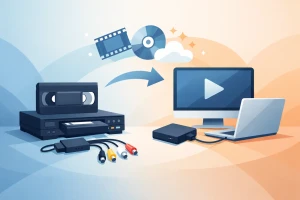
Most VHS conversion kits are built around the same basic idea. You connect a VHS player to a USB capture device, install software on a computer, play the tape in real time, and save the recording as a digital file. In theory, that sounds easy.
In practice, the kit is only one part of the job. You still need a working VCR, the right cables, enough computer storage, and software that behaves properly on your operating system. If the VCR has worn heads, if the tape has tracking problems, or if the audio drifts out of sync, the kit cannot magically correct those issues.
That is why many reviews of VHS conversion kits feel mixed. People are not only reviewing the USB device. They are also reacting to the condition of their VCR, their tapes, and their computer setup. A cheap kit can seem fine with a clean tape and a dependable player. The same kit can seem terrible when used with a moldy cassette or a tape that has been stored in a hot garage for years.
Where VHS conversion kits can work well
If your tapes are in decent shape and your expectations are realistic, a kit can help you make progress. It is often best for a small batch of home videos where the main goal is access, not restoration. If you want to watch a few recordings on a laptop, share clips with family, or create backup files before the tapes degrade further, a kit may be enough.
These kits also appeal to people who enjoy hands-on projects. If you do not mind testing settings, renaming files, trimming footage, and learning some basic capture software, the process can feel rewarding. There is value in doing it yourself when the collection is small and the stakes are lower.
Cost is another reason people look at kits. At first glance, a single purchase feels more affordable than paying for transfer service. That can be true if you already own a reliable VCR and only have a handful of tapes. Once you start replacing cables, buying adapters, or hunting for a better player, the math can change quickly.
The trade-offs most kit buyers do not expect
The biggest issue is time. VHS capture happens in real time, so a two-hour tape takes two hours to digitize, assuming nothing goes wrong. If you have 20 or 30 tapes, that is a major time commitment before editing, labeling, or backing up the files.
The second issue is stability. Consumer kits often work well enough until they do not. Some software crashes halfway through a tape. Some devices produce washed-out color or noisy sound. Some create files that are larger than expected or compressed in ways that do not preserve much detail.
Then there is tape condition. Older VHS tapes can have wrinkles, broken splices, shedding, or tracking problems. A damaged tape may need repair before playback. If it jams inside the VCR during a do-it-yourself attempt, the footage can be lost for good. That is the moment many families realize they were not dealing with a gadget problem. They were dealing with fragile history.
What to look for in a VHS conversion kit
A useful vhs conversion kits review should focus less on marketing claims and more on practical questions. First, check compatibility. Many kits sound universal, but some rely on older software that does not play nicely with newer Windows or Mac systems.
Next, look closely at input options. Composite connections are common, while S-Video may offer a cleaner signal if your VCR supports it. That does not mean the final result will look modern, because VHS has real limitations, but it can help preserve what is there.
You should also pay attention to capture stability. If reviewers repeatedly mention audio sync problems, frozen software, or signal drops, take that seriously. Old tapes are not ideal test material. You want the process to be as dependable as possible.
Included software matters, too. Some bundled programs are bare-bones but workable. Others feel outdated and confusing, especially for users who are not comfortable adjusting capture settings. If the software creates a steep learning curve, the low upfront cost may not feel like a bargain anymore.
VHS conversion kits review: the quality question
Many people hope a conversion kit will improve the picture. That is rarely how it works. A kit captures the signal coming from the tape. If the original recording is soft, noisy, or poorly lit, the kit usually preserves those flaws rather than fixing them.
This is where expectations matter. A good transfer should respect the source, not pretend VHS can become high-definition video. The goal is faithful preservation, stable playback, and files that are easy to view and store. Better equipment can help produce cleaner results, but no honest review should promise miracles.
Professional transfer often makes a difference not because it changes the original footage into something brand new, but because it uses better-maintained decks, signal correction, proper monitoring, and careful handling. That can mean fewer glitches, steadier playback, and less risk during the process.
When a DIY kit is probably not the right choice
If the tape contains a wedding, a funeral, a baby video, or the only recording of someone who has passed away, this is where caution matters most. The emotional value of the content should shape the decision, not just the price of the equipment.
A DIY kit is also risky when tapes show signs of damage. If the cassette shell is cracked, the tape smells musty, playback is uneven, or the image tears badly, stop before forcing it through an old machine. Those are situations where professional evaluation is the safer route.
Large collections are another tipping point. What starts as a weekend project can turn into a months-long backlog. Families often underestimate how exhausting it is to monitor transfers in real time, troubleshoot errors, and organize dozens of files. Professional help is not only about quality. It is also about relief.
A better way to think about value
The cheapest path is not always the least expensive in the end. If a kit fails, if a VCR damages a tape, or if the files come out unusable, you may still need professional conversion later. By then, the media may be in worse condition.
That does not mean every family should skip DIY. It means the decision should match the importance of the material. For low-priority recordings, experimenting with a kit can make sense. For once-in-a-lifetime memories, peace of mind has real value.
A trusted transfer service can also remove a lot of uncertainty. Instead of guessing whether your old equipment still works, you can have the tapes handled by people who work with aging media every day. For families in South Florida, having a local option where you can ask questions, drop off originals, and know who is handling them can feel especially reassuring.
The honest verdict
Most VHS conversion kits are neither complete junk nor a perfect solution. They sit in the middle. They can be useful for simple projects, decent tapes, and patient users who understand the limitations. They become much less appealing when the footage is fragile, irreplaceable, or part of a larger collection.
If you are reading a vhs conversion kits review because you want to save family memories before time takes more from them, start with one question: am I trying to save money, or am I trying to protect something precious? The answer usually makes the next step clearer.
Sometimes doing it yourself is enough. Sometimes the wiser move is handing those tapes to experienced professionals who know how to preserve them carefully. The important thing is not letting another year pass while those memories stay trapped on a format that keeps getting older.